


Posts by Ramraj Sahu

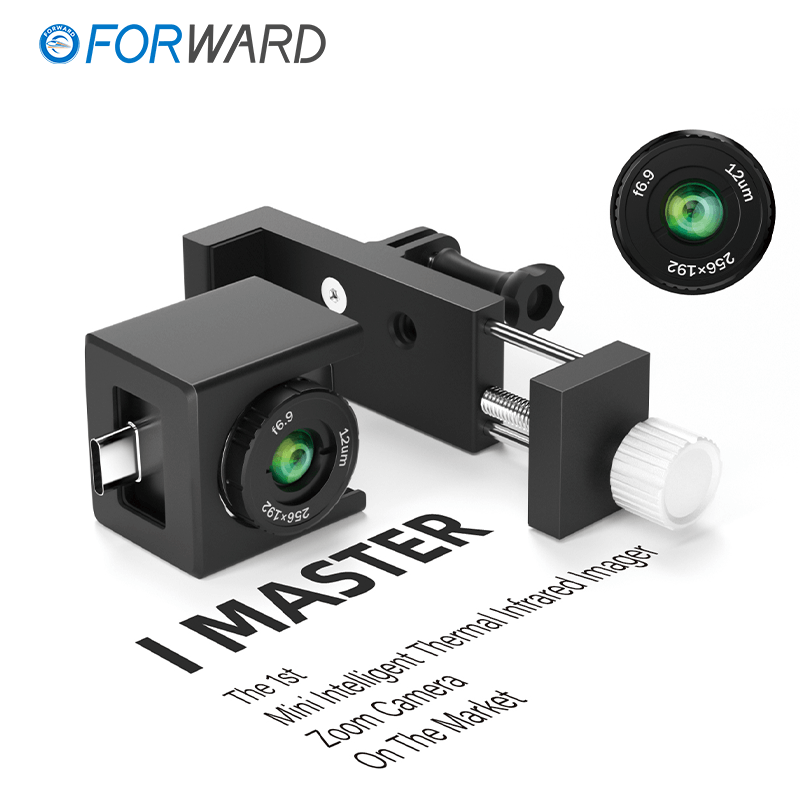
Best Thermal Camera for Mobile Repairing
In the world of mobile phone repair, technology is advancing at lightning speed. Modern smartphones are packed with highly integrated components—tiny chips, processors, and sensitive circuits—that make accurate diagnostics a must. Traditional visual inspection and multimeters are often not enough to pinpoint issues like overheating chips, short circuits, battery faults, or motherboard anomalies. That’s where a thermal camera for mobile repairing becomes a game-changer.
A thermal camera helps technicians visualize heat patterns on PCB boards in real time. It quickly identifies hotspots, unusual temperature variations, and faulty components that would otherwise take hours to diagnose. Whether you are a professional technician or a hobbyist learning mobile board repair, investing in a reliable thermal camera improves accuracy, saves time, and boosts repair confidence.
Why Use a Thermal Camera in Mobile Repairing?
Thermal cameras detect infrared radiation and convert it into a visible heat map, allowing you to “see” temperature differences across a circuit. This technology offers several advantages:
-
Quick Fault Detection: Instantly locate overheated chips, power ICs, or connectors.
-
Non-Contact Measurement: Inspect components without touching them, reducing the risk of damage.
-
Real-Time Analysis: View temperature changes live while power is applied.
-
Enhanced Precision: Thermal imaging shows subtle heat signatures that are invisible to the naked eye.
-
Time-Saving: Reduce guesswork and find the root cause faster than traditional methods.
Using a thermal camera in mobile repairing lets you work smarter—boosting your success rate and reducing repeat repairs.
Key Features to Consider
When choosing the best thermal camera for mobile repairing, keep these important features in mind:
1. Resolution and Sensitivity
Higher resolution and thermal sensitivity help you see finer temperature differences. Good sensitivity is especially important for detecting minor heat variations on small ICs.
2. Frame Rate
A faster frame rate gives smoother thermal imaging. For real-time diagnostics, choose a camera with a higher refresh rate.
3. Temperature Range
A wider detection range allows you to measure both low and high temperatures accurately.
4. Compact and Portable Design
Since mobile repairing often involves working at a bench or moving between stations, a lightweight and portable thermal camera is ideal.
5. Connectivity and Display
Many modern thermal cameras connect to smartphones or tablets via USB or Wi-Fi, allowing you to view and record thermal data through apps.
How Thermal Cameras Improve Mobile Repair Work
A thermal camera becomes essential when diagnosing problems like:
-
Power IC Failure: Overheating power ICs show clear hotspots.
-
Battery Issues: Uneven heat patterns can reveal battery defects or short circuits.
-
Shorts on PCB: Unusual heat signatures quickly point to shorted areas.
-
Component Stress: Detect parts running hotter than normal due to stress or damage.
By visually identifying where excess heat is generated, you dramatically reduce trial-and-error and make faster, more accurate repairs.
Conclusion
A quality thermal camera is no longer a luxury in mobile repairing—it’s becoming a must-have tool. Whether you’re diagnosing challenging faults or simply improving your workflow, a good thermal camera enhances your capabilities and helps you deliver professional results.
Invest in a thermal camera that suits your budget and repair needs, and you’ll notice a big jump in your diagnostic speed and accuracy. It’s one of the smartest additions you can make to your mobile repairing toolkit.
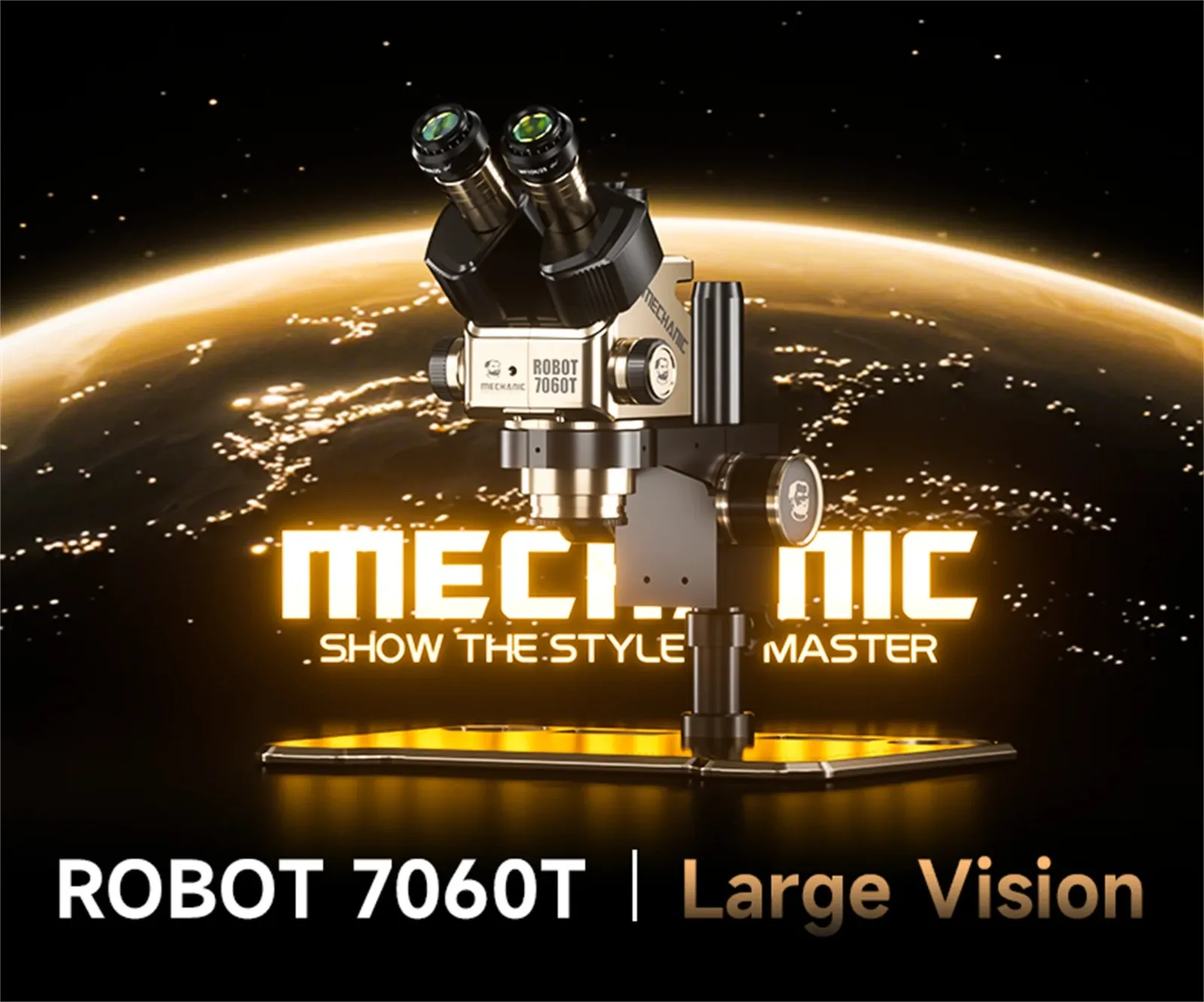
Best Microscope for Mobile Repairing
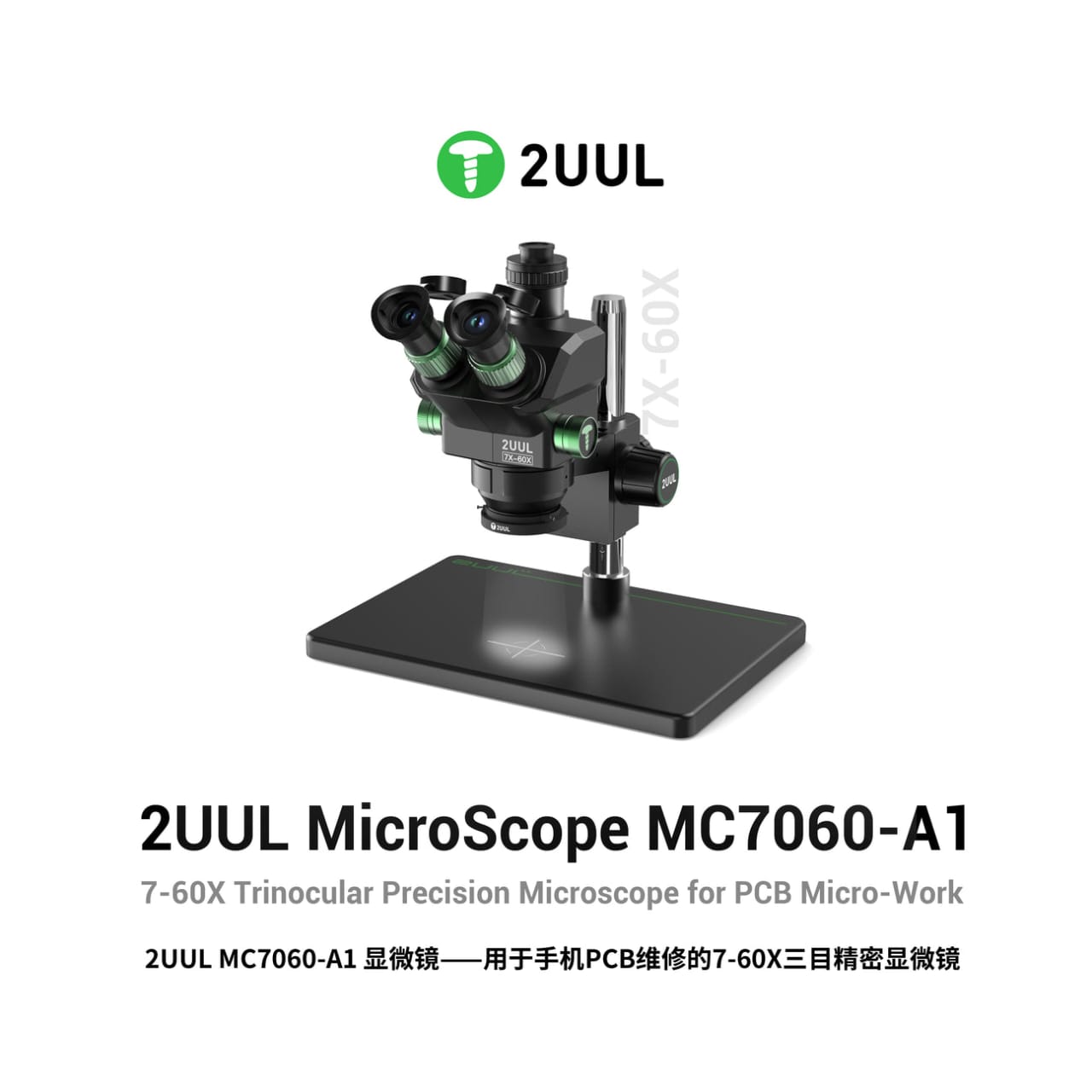
Mobile repairing today is more advanced than ever. With smartphones becoming smaller and more complex, repairing tiny components like ICs, jumpers, and micro soldering points requires precision and clarity. That’s where a high-quality microscope for mobile repairing becomes an essential tool for every technician—whether you’re a beginner or a professional.
A microscope helps you clearly view microscopic components on mobile phone PCBs, making tasks like chip-level repairing, soldering, and inspection much easier and more accurate. Using the right microscope not only improves your work quality but also saves time and reduces the risk of damage.
Why a Microscope Is Important for Mobile Repairing
Modern smartphones use very small components such as BGA ICs, capacitors, resistors, and connectors. These parts are impossible to inspect properly with the naked eye. A good mobile repairing microscope provides:
-
Clear magnification of PCB components
-
Better accuracy during soldering and desoldering
-
Reduced eye strain during long working hours
-
Improved success rate in chip-level repairs
Features to Look for in the Best Microscope
When choosing the best microscope for mobile repairing, you should focus on the following features:
1. Magnification Power
A microscope with 7x to 45x zoom is ideal for mobile repair work. It allows both wide viewing and detailed inspection.
2. Binocular or Trinocular Design
Binocular microscopes are great for daily use, while trinocular microscopes allow you to connect a camera or monitor for recording or teaching purposes.
3. LED Ring Light
Good lighting is crucial. An adjustable LED ring light ensures bright and shadow-free visibility of small components.
4. Working Distance
A long working distance gives enough space to work comfortably with tools like soldering irons and hot air guns.
5. Build Quality and Stability
A sturdy stand and solid construction reduce vibrations and keep the image stable while working.
Best Types of Microscopes for Mobile Repair
-
Stereo Zoom Microscope – Most popular choice for mobile repairing
-
Digital Microscope – Useful for beginners and online training
-
Trinocular Microscope – Ideal for professional labs and training centers
Conclusion
Investing in the best microscope for mobile repairing is a smart decision for any technician who wants to deliver high-quality repairs. A reliable microscope improves accuracy, protects delicate components, and enhances your overall repair efficiency. Whether you run a mobile repair shop or are learning chip-level repairing, the right microscope will take your skills to the next level.
Choose a microscope that fits your needs, budget, and workspace—and you’ll see the difference in your repair results.